Termites can cause significant damage to your home if left untreated. Knowing the various termite control options available in Rochester can help you make an informed decision. This article will delve into the types of termites, signs of infestation, and a detailed comparison of control methods.
Understanding Termites and Their Impact
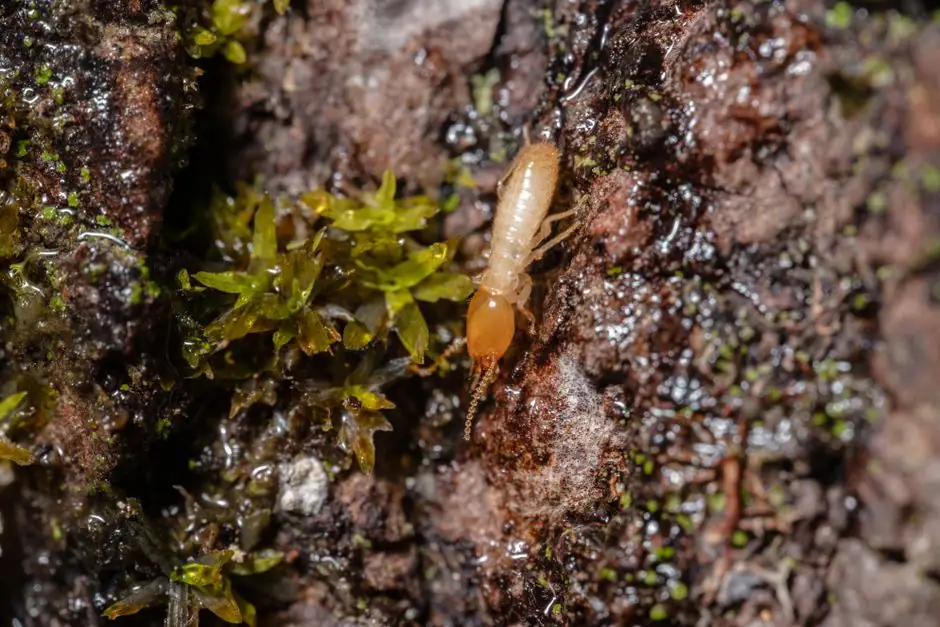
Termites are small insects that primarily feed on wood, which can lead to structural damage in homes. In Rochester, the most common types are subterranean and drywood termites. Subterranean termites create colonies underground, while drywood termites can infest wood directly.
According to a study by the National Pest Management Association, termites cause over $5 billion in damages annually in the United States. This statistic emphasizes the importance of early detection and effective treatment.
Signs of a Termite Infestation
Identifying a termite infestation early can save you from extensive repairs. Here are some signs to watch for:
- Mud tubes on exterior walls
- Wood that sounds hollow when tapped
- Frass, or termite droppings, resembling sawdust
- Swarming wings near windows or doors during spring
If you notice any of these signs, it's crucial to act quickly to prevent further damage. Contacting a local termite control in Minnesota service can provide you with immediate assistance.
Termite Control Options
There are several methods available for controlling termites:
- Liquid Chemical Treatments: This involves applying a liquid termiticide around the foundation of your home to create a barrier.
- Bait Systems: Bait stations are placed around the property to attract and kill termites.
- Fumigation: This method is typically used for drywood termite infestations and involves sealing the home and filling it with gas to eliminate termites.
- Wood Treatments: Treating wood with preservatives can help prevent infestations.
Each method has its advantages and limitations, depending on the severity of the infestation and the type of termites present.
Comparison of Methods
When comparing termite control options, consider the following factors:
- Effectiveness: Some methods are more effective against specific types of termites.
- Cost: Treatments can range from a few hundred to several thousand dollars depending on the method and extent of the infestation.
- Time: Some treatments, like bait systems, may take longer to show results compared to liquid treatments.
- Safety: Ensure that the chosen method is safe for your family and pets.
For instance, while termite treatment services in Minnesota can be more expensive, they often provide quicker results. On the other hand, bait systems may be more cost-effective but require ongoing monitoring.
Common Mistakes in Termite Control
Many homeowners make mistakes during the termite control process:
- Ignoring initial signs of infestation
- Attempting DIY treatments without proper knowledge
- Failing to follow up with preventative measures after treatment
These mistakes can lead to reinfestation or ineffective treatments. It's essential to consult with professionals for proper assessment and treatment.
When to Call a Professional
It's advisable to call a professional pest control service when:
- You notice signs of an infestation
- The infestation is extensive
- You are unsure of the type of termites present
Professionals can provide a thorough inspection and recommend the best course of action. At Minnesota Pest Pros, we specialize in pest control in Rochester and can help you manage any termite issues effectively.
Frequently Asked Questions
How much does termite control cost?
Termite control costs can vary widely based on the method used and the extent of the infestation. Expect to pay anywhere from $200 to $2,500.
How long does termite treatment last?
Most treatments provide protection for 5-10 years, but this can depend on the method used and environmental factors.
Can I treat termites myself?
While DIY methods exist, they are often less effective. Professional treatments ensure thorough eradication and prevention.
What should I do if I find termites?
Immediately contact a pest control professional to assess the situation and recommend an appropriate treatment plan.
Are there preventative measures for termites?
Yes, regular inspections, maintaining a dry environment, and using treated wood can help prevent infestations.